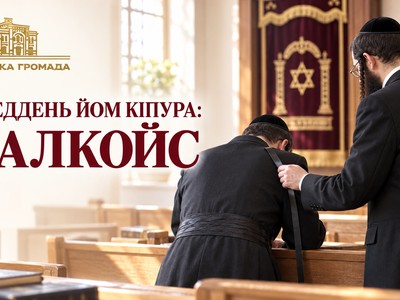
📌EVE OF YOM KIPURA: MALKOYS
Community
Перед денною молитвою напередодні свята ( 20.09.2026/ 9 тішрея) напередодні свята прийнято приймати на себе 39 ударів (малкойс), що спонукають до каяття. Той, хто приймає удари, підперезується поясом (гартл) і нахиляється (або стає на коліна), звертаючись обличчям на північ. Той, хто б'є, бере в руки ремінець тфілін і легенько (прихильників маркіза де Сада просять не турбуватися) б'є по підставленій спині: по правому плечу, лівому плечу і по нижній частині спини, повторюючи це 13 разів. Під час кожного удару і той, хто б'є, і той, хто приймає, кажуть: «І він Милосердний пробачить злодіяння і не погубить того, хто згрішив, як не раз вже відвертав гнів Свій від грішника, і не обрушить на нього всю свою лють» (Ве-Ѓу Рахум йехапер овон вело яшхіт веѓірба леѓашив апо вело йор коль хамото). Цю фразу, в якій 13 івритських слів, повторюють три рази.*EVE OF YOM KIPURA: LEUKACHOn the eve of Yom Kippur, it is customary to ask friends or family members for watering cans (honey pie), and then eat it, wishing each other "Lesha goods u-metuka!" ("Good and sweet year!").The meaning of this tradition is in a symbolic wish: if we have to reach out for alms next year, then let not strangers help us, but loved ones (so that we do not have to be ashamed), and if we have to ask, then let it be watering cans, that is, not a piece of bread necessary for survival, but a honey pie is clearly not an essential thing.In Hasidic communities, there is a tradition to ask the rabbi of the community for watering cans. In Odessa, it will be possible to ask for (and receive!) a piece of watering cans on October 1 after the end of the morning prayer at Rabbi Avraham Wolf.*DAY BEFORE YOM KIPURA: LEBEDIKE LIHTEach married man must bring a candle to the synagogue that burns for 24 hours (such a candle can be purchased at the synagogue Jewish goods store). This candle is called “swan lantern” (“candle of life”). It is not customary to light it yourself — you need to give it to the synagogue staff so that they light it. In addition, anyone who reads Izkoir should light a memorial candle at home.*DAY BEFORE YOM KIPURA: SEUDA MAFSEKETThe purpose of fasting on Yom Kippur is not the desire to starve a person, but the intention not to distract him from thoughts of repentance, so it is recommended to eat well before Yom Kippur. To this end, after the afternoon prayer, the "Minha" arrange a festive and very abundant meal (it is said that the one who had eaten well on the eve of Yom Kippur, as if he had spent Yom Kippur twice, because a full stomach does not distract the owner from thinking about the main thing).А ближче до вечора влаштовують роздільну трапезу (сеуда мафсекет), тобто трапезу, що відокремлює звичайний день від посту. Ця трапеза повинна складатися тільки з легких, добре перетравлюваних страв. У неї не включають рибу, часник, гострі і солоні страви, алкоголь і м'ясо (саме шматкове м'ясо, тому що є традиція в цій трапезі їсти «креплах» — щось на зразок пельменів з меленим курячим м'ясом; символічна страва, де «біле закриває червоне» (тобто тісто прикриває м'ясо. Біле символізує «хесед», милосердя, а «червоне» — «дін», справедливий суд. Відповідно, креплах символізує нашу надію на те, що милосердя все-таки візьме гору, і ми отримаємо не по заслугах, а з жалю…)).And just before fasting, it is recommended to drink 1-2 liters (5-6 cups) of hot and very sweet tea — in order to increase blood sugar levels. Fasting will then be easily tolerated, as is the case in many Jewish families in which fasting is a long-standing tradition.After this meal, parents bless their children with the following words: "May God honor you to become like Ephraim and Menashe" (boys) or "... like Sarah, Rivka, Rachel and Leah" (girls).*DAY BEFORE YOM KIPURA: BIRKAT A-BANIMIn some communities, "birkat Ha-banim" — the blessing of children is carried out before each Sabbath. But in the communities of Chabad, it is customary to do this only on the eve of Yom Kippur, immediately after the separate meal "seuda mafseket". The father puts both hands on the child's head and saysson: Yesimho E-loy-him ke-Efraim vehi-Menashe! (“ May God honor you to be like Ephraim and Menashe.”)daughter: Yesimeh E-loi-Gim ke-Soro, Rivka, Rohel ve-Leya! (“May God honor you to become like Sarah, Rivka, Rachel, and Leia.”)Потім вимовляється текст благословення коѓена: «Вайдабер А-дой-ной ель Мойше леймойр. Дабейр ель Аѓаройн веель бонов леймойр, кой севораху ес бнэй Ісроэл, омойр лоѓэм: «Йеворехэхо А-дой-ной вейішмерехо. Йоейр А-дой-ной понов ейлехо віхунеко. Ісо А-дой-ной понов ейлехо вейосейм лехо шолом. Весому ес шмі аль бней Ісроел ваані аворахем» («І Г-сподь сказав Моше наступне: «Скажи Аѓарону і дітям його: «Так благословляйте синів Ізраїля, кажіть їм: «Благословить тебе Г-сподь і охороняє тебе. І буде прихильний до тебе Г-сподь і помилує тебе. Буде прихильний до тебе Г-сподь і пошле тобі мир». І благословлять вони ім'ям моїм синів Ізраїля, а Я благословлю їх!»).After that, you can add good wishes from yourself to the child.*BLESSING WHEN LIGHTING CANDLES ON YOM KIPPUR1. Borukh Ato A-doynoy, E-loy-Yey-nu, Melekh Go-Oilom, usher of kideshon, bemitsvoys vetsivonu Lehadlik neur shel Yoim-Ya-Kippurim! (Blessed are you, Lord our God, King of the Universe, who has sanctified us with His commandments and commanded us to light a candle in honor of the Sabbath and Yom Kippur!)2. Borukh Ato A-doynoy, E-loy-Hey-nu, Melekh Ho-Oilom, Shekekheyon, Vekimon Vegygion Lizman Ghaze! (Blessed are you, Lord our God, King of the Universe, who has given us life and sustained it in us, and made it possible for us to live to this time!)Yom KippurЗазвичай слово «Йом Кіпур» перекладають як «Судний день», (наприклад «Війна Судного дня»), але як ми з вами вже з'ясували, Судним є зовсім інший день, точніше дні. Всевишній судить цей світ 1 і 2 тишрея в дні Рош ѓа-Шана, а потім, оскільки, якщо судити по справедливості, то для кожного з нас вирок виявиться несумісним з життям, нам дається час на виправлення. Протягом цих днів покаяння (ті самі «Грізні дні» або «Дні трепету») ми намагаємося все-таки пробудити милосердя Всевишнього і благаємо його дарувати нам життя. І, судячи з демографічних зведень (заторів і громадського транспорту в години «пік»), нам поки це вдається. Так що Йом Кіпур це не «Судний день», а скоріше «День розгляду Вищим судом касаційної скарги». Або, якщо хочете, можна перекладати цю назву як «День Спокути».By the way, since on this day the verdict is approved, the good wishes for the next year look a little different: "Gmar hatima tova!" (literally it translates as "Good final seal!", Which means it is about the following: "Let the final version of the verdict (good sentence) that will be pronounced to you be sealed (as a sign of confirmation that the decision is unchanged)". As you can see, Hebrew is not much shorter. Therefore, Hebrew can be learned at least for this...)Another name for the holiday is “Shabbat Shabbaton”, “Saturday Sabbath”, because this day abolishes even the Sabbath rules (for example, they do not fast on Saturday, with the exception of Yom Kippur).In addition to the usual Saturday prohibitions, such as prohibitions on work, switching on and off fire and light, using money, etc., there are five additional prohibitions for the time of Yom Kippur:• Food and drink• for washing (even with cold water. Only after using the toilet, wash your fingertips);• the use of perfumes;• intimacy;• to wear leather shoes. They wear shoes made of rubber, plastic or fabric. A leather substitute is also suitable, but it is desirable that the non-leather origin is noticeable, so rag shoes are better.Another fiveassociated with this holiday are the five prayers of this day: Maariv (evening; beginning of the holiday), Shaharit (morning), Musaf (additional morning), Minha (afternoon) and Neila (evening; closing of this day).On Yom Kippur, it is customary to wear white robes similar to those worn by angels who serve the Almighty. Most often, a white robe-kit is worn over the clothes.Another thing to remember: on this day, sins are forgiven only in relation to G-d. Only they can forgive the sins committed against people.And the last note: the Almighty releases a ten-day period for correction only for Jews (He has special accounts with us). Other nations are given three weeks to reform, until the day of Hoshan the slave (21 Tishrei).*THE FIRST REMOVAL OF THE SWEATER OF TORAH AND "MAFTIR JONAH"For the first time, the Torah scroll is taken out during the evening prayer "Maariv" (this year — October 1). During the morning prayer "Shaharit" seven people are summoned to read the Torah, and during the day — three, the last of whom reads the entire book of Jonah (Maftir Jonah).Traditionally, it is believed (and confirmed in practice) that the first removal of the scroll and the call to read Yona's maftir have a beneficial effect on the health of the whole family and financial well-being, so a tender is held for the right to take out the scroll or participate in the reading of the maftir. This honor is awarded to people who have paid (that is, donated to the charitable needs of the community) the maximum amount.* IZKOR PRAYERIzkor is a memorial prayer that is recited four times a year: on the last day of Passover, in Shvues (outside Eretz Yisrael, that is, in our country — on the second day of the holiday), on Yom Kippur and in Shmini Atzeret.Izkor is a special prayer in which he asks the Almighty to give the soul of the deceased peace, Divine light and a place among the souls of the righteous, and also proclaims his intention to make a sacrifice in memoryof the soul of the deceased.Izkoir's words containing the promise of charity should be taken absolutely seriously: the promise must be fulfilled after the holiday (because on the holiday, according to Jewish Law, you cannot pay money). If the person is not going to donate, it is better to refrain from the promise; in this case, you should not say the phrase where the donation is concerned.According to the custom of most communities, those who have both parents alive leave the synagogue hall while reading Izkoir. Izkoir mentions the Jewish nameof the deceased and the Jewish name of his mother, if, of course, it is known. If it is unknown or if the deceased did not have a Jewish name, he is remembered by the name that was usually called during his lifetime. The text of Izkoir is given in the prayer book (mahzor) on Yom Kippur, which can be taken in the synagogue.*MEAL AFTER YOM KIPURAThere is a tradition after the end of Yom Kippur to arrange a festive meal, during which they eat crepe and dip bread in honey. Tradition says that participation in such a meal has a beneficial effect on the financial affairs of the participantsource: chabad.odessa
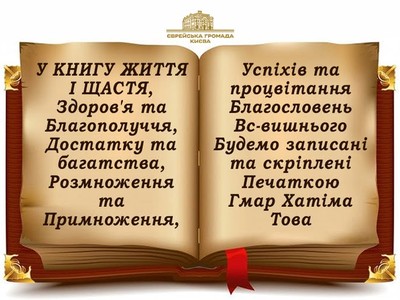
One of the most important Jewish holidays is approaching - Yom Kippur
Community
One of the most important Jewish holidays is approaching - Yom Kippur (Judgment Day) - the day of repentance and fasting, when, according to religious tradition, the entire previous year is summed up and the sentence for the new year is pronounced.Yom Kippur LawsAll the laws of Yom Kippur begin with the beginning of sunset on September 20/9 Tishrei.Yom Kippur is a day of strict fasting; on this day it is forbidden to wash and use cosmetics, as well as to wear leather shoes, as it is a symbol of luxury.If an experienced doctor believes that it is dangerous for the patient to fast, he must obey and break the fast, following the instructions of the rabbi.It is customary to wear white clothes on this day, which symbolizes purity from sins. Jews are like sinless angels who do not need to eat, drink, or take care of their bodies.It is customary to spend Yom Kippur in a synagogue, because prayers take almost all day. On this day, the memorial prayer Izkor is read.
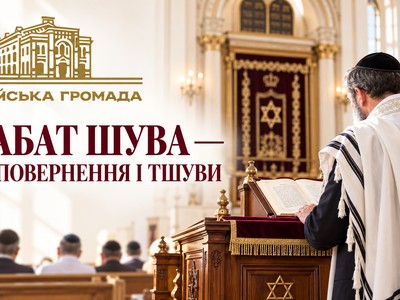
"Shabbat Shuva — Time of Return and Teshuvah"
Community
🕊️Shabbat Shuva — Shabbat ReturnsThe Sabbath between Rosh Hashanah and Yom Kippur has two names.The fist childShabbat Shuva. It comes from the first words of the haftara read on this day:“Shuva, Israel!” — “Return, Israel!”(Hoshea 14:2)✨ Second name —Shabbat Teshuva, since this Sabbath falls on the Ten Days of Repentance.This name reminds us that although there are no prayers on Shabbat in which our sins are mentioned, on this day it is also necessary to perform teshuvah. But this is a special, "Sabbath teshuvah" — the desire to rise to the highest spiritual level not from the abyss of sin, but already being in the sphere of holiness.🕯️Light of TshuvahIt is customary to light a special candle that burns during the day before the Sabbath, so that we can shine"the light OF TESHUVA"about themselves.”📜Reading haftaraTo read the haftara on Shabbat teshuvah, the most respected person in the community is summoned.During the "Minha" they readTsidkatha, even if the next day is the eve of Yom Kippur.At the end of this Sabbath, no one readsWhigie Noamand the following passages, except when Yom Kippur falls on the next Sabbath.🌙Consecration of the MoonIt is not customary to consecrate the moon —Levan's Kiddush— until Yom Kippur is completed. An exception is made if the weather causes fears that on the night after Yom Kippur it will not be possible to fulfill this commandment.
Izkor - donation without a vow
Community
As you know, people who have lost their father or mother, read the memorial prayer "Izkor" only a few times a year: the last day of Passover, Shmini Atzeret, Shavuot and Yom Kippur.In doing so, they pledgeto make a donation without a vow.It is very important to fulfill this commandment to lift the soul of your loved ones.The Izkor prayer will be recited in our synagogue on 21.09/10 TishreiYou can 📌order a prayer reading in the Hevra Kadish programby phone ☎063.770.04.43 Zalman
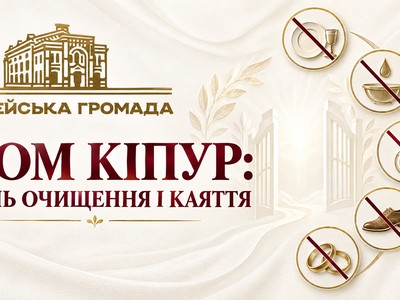
📌 Preparing for Yom Kippur Yom KIPPUR: NAME and MEANING
Community
Yom Kippur — The Day of Atonement — the holiest day of the Jewish year.The Ten Days of Repentance period begins with Rosh Hashanah and reaches its highest point on Yom Kippur. The trial begins on Rosh Hashanah, and on Yom Kippur the final sentence is sealed.This is the day of repentance and redemption of the sin committed by man before G-d. At the same time, Yom Kippur will not redeem the wrong done to another person until the perpetrator asks for forgiveness and reconciles with him.Five prohibitions of Yom KippurOn this day, we refrain from:food and drink;bathing and washing for pleasure;rubbing the body with oils, creams and other cosmetics;wearing leather shoes;marital intimacy.The Torah says:“This is the Sabbath of complete tranquility for you, and subdue your souls…”Vayikra (Leviticus), 16:31Spiritual contentOn Yom Kippur, a person moves away from everyday worries and bodily needs to devote himself to prayer, repentance, and spiritual purification.The purpose of this day is not just to ease the conscience, but to sincerely reconsider their actions, correct the mistakes of the past year and rise to a new, higher spiritual level.Sefer ha-Hinuh (commandment 313) explains that the great mercy of God is manifested on this day: He gave man a special time for repentance and redemption.Food, drink, and other bodily pleasures bind us to the material and can distract the soul from the search for truth. Therefore, Yom Kippur is given to us to strengthen the soul, sincerely return to G-d and obtain His forgiveness.People who may be harmed by fasting should consult a rabbi and a doctor in advance. Saving life and healthis a top priority.
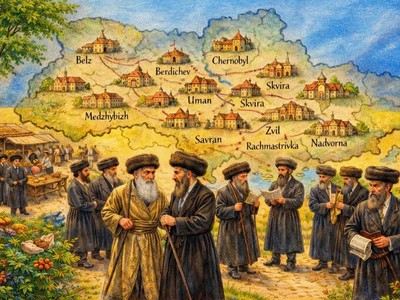
Jews from Ukraine: Ukraine as the homeland of Hasidism — 37 leading dynasties and their Ukrainian roots
Community
Part 1Ukraine is one of the historical homelands of HasidismThe phrase "Ukraine is the homeland of Hasidism" sounds emotional, but has a significant historical basis.Modern encyclopedic and academic sources indicate that Hasidism originated in the 18th century in the lands of modern Western and Central Ukraine — primarily in Podillia and Volyn, in the environment of Baal Shem Tov and his students.At the same time, the statement about the "37 main Hasidic dynasties, 15 of which originate from the territory of modern Ukraine" should be perceived as a popularization scheme, rather than as a generally accepted academic standard.However, this does not change the main conclusion: the lands of modern Ukraine were one of the most important centers of the origin and early development of the Hasidic world.From Baal Shem Tov to the great dynastiesThe founder of Hasidism, Israel ben Eliezer, better known as Baal Shem Tov (circa 1700-1760), was closely associated with Podillia and Medzhybizh.After his death, the doctrine was developed and systematized by Dov-Ber — Magid from Mezhirich (died 1772). His disciples spread the new spiritual movement to the lands of Ukraine, Belarus, and Poland.It was from this environment that the great Hasidic dynasties subsequently emerged: Chernobyl, Ruzhyn, Kosiv-Vyzhnytsia, Bratslav, and many others.Therefore, the assertion that Ukraine is one of the main historical homelands of Hasidism is fully justified.Що означає поняття «хасидська династія»У хасидизмі зазвичай говорять про двори або династії — спадкові лінії ребе, які найчастіше отримували назви від міст, де виникли або діяли.За два з половиною століття таких ліній з’явилося надзвичайно багато. Сучасні переліки містять десятки й навіть сотні назв, адже великі династії нерідко розгалужувалися на окремі двори.Саме тому не існує єдиного канонічного реєстру «головних» династій. Перелік із 37 назв доцільно розглядати як умовну добірку найвідоміших історичних домів, а не як остаточний список, визнаний усіма дослідниками.Старі єврейські енциклопедії виокремлювали кілька ключових напрямів — Любавичі, Чорнобиль, Ружин–Садгору, Люблін і Коцк. Сучасні довідники представляють значно складнішу картину із численними гілками та відгалуженнями.Українське коріння провідних хасидських дворівЯкщо взяти за основу умовний перелік із 37 найпомітніших хасидських династій, українська присутність у ньому справді вражає.До цього кола зазвичай зараховують династії та двори, що виникли в Белзі, Боянах, Брацлаві, Вижниці, Звягелі, Махнівці, Мукачеві, Надвірній, Рахмастрівці, Саврані, Садгорі, Сквирі, Сколе та Чорнобилі.Особливе місце в історії хасидизму також посідають Бердичів і Меджибіж — міста, які стали визначними духовними центрами єврейського життя.Від України до Ізраїлю та СШАПісля Голокосту, радянських переслідувань і наступних хвиль еміграції багато хасидських династій перенесли свої діючі центри до Ізраїлю та Сполучених Штатів Америки.Сьогодні їхні великі громади діють у Єрусалимі, Бней-Браку, Брукліні, Монсі, Кір’яс-Джоелі та Нью-Сквері.Проте назви цих династій і досі зберігають пам’ять про українські міста й містечка, де формувалися їхні традиції, духовні школи та особливий уклад життя.Таким чином, географія України назавжди залишилася вписаною в історію світового хасидизму. Навіть після перенесення центрів до інших країн українське коріння багатьох хасидських дворів залишається невіддільною частиною їхньої духовної спадщини.Джерело: https://nikk.agency/37-glavnyh-dinastij/
Сьогодні — 4 тішрея 5787 року
Community
🛑 Три додаткові псалми на місяць Елул: 94–96Айом-ЙомКороткий виклад бесіди мого батька, учителя й наставника (Ребе Рашаба):У першому аспекті вірш «Будь непорочним перед Господом, Б-гом твоїм» говорить про служіння каяття — тшуву, яке досягається через простоту й цілісність — тамімут.У служінні, заснованому на тамімут, існують різні рівні та ступені. Однак незрівнянно вищою за всі інші є цілісність серця, яку мовою їдиш називають ернсткайт — серйозність, глибока внутрішня зосередженість. Як сказано про Авраама: «І знайшов Ти серце його вірним перед Тобою».📖 Любавицький календар
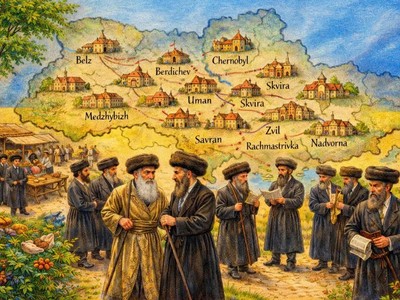
📖 Частина 2. ХАБАД: окрема лінія з дуже сильним українським зв’язком
Community
✡️ ХАБАД-Любавич зазвичай не зараховують до українських династій у вузькому географічному сенсі, оскільки його історичні центри пов’язані насамперед із лядами та любавичами. Засновником руху був рабі Шнеур-Залман із ляд (1745–1812), який наприкінці XVIII століття створив особливу інтелектуальну гілку хасидизму. Сама назва ХАБАД походить від слів Хохма, Біна, Даат.📍 Проте без ХАБАДу історія українського хасидизму була б неповною. Шнеур-Залман був учнем Магіда з Межиріча, а отже, духовне коріння руху безпосередньо пов’язане з українським середовищем, у якому ранній хасидизм набув потужного розвитку.📍 Крім того, сам засновник ХАБАДу похований у Гадячі на Полтавщині, і це місце залишається осередком паломництва.🌍 У XX столітті ХАБАД перетворився на світовий рух із головним діючим центром у Нью-Йорку та широкою мережею громад в Ізраїлі, США, Європі й країнах колишнього срср. Тому в статті про хасидські династії України ХАБАД логічно розглядати окремо: не як українську династію за місцем походження, а як світовий рух, тісно пов’язаний з Україною духовно та історично.🕍 Українські династії: від Поділля й Волині до Бней-Брака та Нью-Йорка📍 Меджибіж — місто Баал-Шем-Това — залишається найдавнішим осередком пам’яті. Окремою великою сучасною династією з численними послідовниками Меджибіж не став, проте символічно це одне з головних місць усієї хасидської історії.📍 Бердичів пов’язаний з ім’ям Леві-Іцхака Бердичівського (1740–1810), одного з найвідоміших праведників раннього хасидизму. Це також радше історичний осередок і духовне ім’я, ніж великий сучасний хасидський двір.📍 Брацлавська династія, або Бреслов, пов’язана з рабі Нахманом із Брацлава (1772–1810), правнуком Баал-Шем-Това. Її особливість полягає в тому, що після смерті рабі Нахмана не виникло нової безперервної лінії ребе в класичному розумінні. Проте рух не зник: навпаки, він живе завдяки його книгам, ученню про особисту молитву та відомому паломництву до Умані. У XXI столітті Бреслов — це світова мережа громад, особливо помітна в Ізраїлі та серед паломників, які щороку приїжджають до України.🌿 Чорнобильська династія — одна з найважливіших у хасидському світі. Її заснував Менахем-Нахум Тверський із Чорнобиля (близько 1730–1797), учень і Баал-Шем-Това, і Магіда з Межиріча. Саме з Чорнобильського дому згодом постала ціла низка окремих ліній: Сквер, Рахмастрівка, Толна, Триск, а також генеалогічно споріднені гілки Махнівки. Це один із найяскравіших прикладів того, як одна українська династія перетворилася на цілу родину хасидських дворів у різних країнах світу.🔹 Із чорнобильського кола виросла Сквирська династія — нині вона особливо відома своєю закритою громадою Нью-Сквер у штаті Нью-Йорк.🔹 Рахмастрівка походить із Ротмістрівки й сьогодні має центри в Єрусалимі та Брукліні.🔹 Толна бере початок у Тальному, а Триск — у Турійську на Волині.🔹 Махнівка, що походить з однойменного містечка, нині має головний осередок у Бней-Браку й залишається живою, помітною течією, яка об’єднує тисячі родин.🌿 Не менш впливовим став Ружинський дім. Його заснував рабі Ісраель Фрідман із Ружина (1796–1850), і саме ця лінія надала частині хасидського світу того самого «царського» стилю двору. З Ружинського дому вийшли Боян, Садигура, Чортків, Гусятин та інші гілки.🔹 Боянська династія, що сформувалася в XIX столітті, сьогодні міцно асоціюється з Єрусалимом.🔹 Садигурська лінія, яка походить із Буковини, до Голокосту мала величезний вплив у регіоні, а нині її продовження також пов’язане насамперед з Ізраїлем.📍 Вижницька династія виникла на Буковині. Її пов’язують із Менахемом-Мендлом Гагером (1830–1884), а сама лінія виросла з давнішої косівської традиції. Сьогодні Вижниц — один із найбільших і найвпливовіших хасидських дворів Ізраїлю, з потужними осередками у Бней-Браку, Єрусалимі та американських громадах.📍 Поруч із нею стоїть Надвірна, заснована Мордехаєм Лейфером (1835–1894) у Надвірній. Нині це вже не один центр, а ціла мережа гілок, особливо помітних у Бней-Браку та Єрусалимі.📍 Звіль, що походить зі Звягеля, не настільки численний, проте залишається дуже шанованим ім’ям у Єрусалимі.🗺️ З українськими землями також пов’язані Белз, Мукачево, Саврань і Сколе.🔹 Белзьку династію заснував Шалом Рокеах (1779–1855) на початку XIX століття. Сьогодні це один із найбільших хасидських дворів світу, відроджений після Катастрофи в Ізраїлі.🔹 Мункач / Мукачево пов’язане із суворим карпатським традиціоналізмом.🔹 Саврань — давня подільська лінія.🔹 Сколе сьогодні частіше фігурує в міжнародних переліках під назвою Skole/Skolye, що важливо для історичної точності.🌍 У всій цій історії особливо помітно, що НАновини — Новини Ізраїлю | Nikk.Agency звертаються до теми не як до музейної екзотики, а як до живого мосту між Україною та Ізраїлем. Адже для ізраїльської аудиторії це не абстрактна історія Східної Європи: значна частина сучасних центрів династій українського походження розташована саме в Єрусалимі та Бней-Браку, а паломництво до Умані, пам’ять про Чорнобиль, Белз, Садигуру й Вижницю давно стали частиною сучасного єврейського релігійного світу.Проте рух не зник: навпаки, він живе завдяки його книгам, ученню про особисту молитву та відомому паломництву до Умані. У XXI столітті Бреслов — це світова мережа громад, особливо помітна в Ізраїлі та серед паломників, які щороку приїжджають до України.джерело: https://nikk.agency/37-glavnyh-dinastij/
10 ДНІВ КАЯТТЯ
Community
🔥 Усі говорять про 10 днів каяття, але що це взагалі таке?Ми постійно чуємо про ці дні перед Рош га-Шана та Йом-Кіпуром, але іноді вони здаються чимось складним, абстрактним і важким. А якщо поглянути на це простіше й глибше? Насправді це 10 унікальних днів, коли небесні ворота відчинені навстіж, а Сам Всевишній спускається до нас зовсім близько, щоб узяти за руку й допомогти почати все з чистого аркуша.🔥 10 ДНІВ КАЯТТЯ: МИТЬ, КОЛИ Б-Г СТУКАЄ В НАШІ СЕРЦЯ! 🔥Забудьте про нудні правила та страх. У хасидизмі ці дні розкриваються як найтепліший, найодухотвореніший час року, що сповнює нас сил. Ось що відбувається насправді:⚡️ 1. Всевишній Сам стукає до нас у двері!Зазвичай нам доводиться докладати зусиль, щоб достукатися до Небес. Але в ці 10 днів усе відбувається інакше: Творець Сам спускається до нас і шукає ту саму чисту Б-жественну іскру, яка захована глибоко всередині кожного з нас. Нам не потрібно пробивати стіни чи шукати Його в темряві — Він Сам стоїть на порозі й чекає, коли ми зробимо крок назустріч.🌀 2. Сім днів — пульт керування всім рокомЛюбавицький Ребе розкрив неймовірний духовний інструмент: 7 днів між Рош га-Шана та Йом-Кіпуром відповідають семи дням тижня всього року.1️⃣ Першого дня ми виправляємо всі неділі минулого року й закладаємо основу для майбутніх неділь.2️⃣ Другого дня — наводимо лад у понеділках, і так далі! Це глибоке генеральне прибирання всієї нашої біографії лише за один тиждень.🚀 3. Жодного смутку — лише квантовий стрибок душіСлово «тшува» часто перекладають як «каяття», але в хасидизмі це найвищий рівень повернення додому з чистої любові — тшува ілаа. Це не пригніченість через помилки минулого, а захоплення від того, що наші душі на рівні своєї найчистішої іскри — Єхіда — притягуються до Джерела, наче магнітом. Це справжній духовний прорив свідомості!🔥 4. Менше слів, більше внутрішньої роботиВеликі хасиди, а також Ребе Рашаб намагалися майже не розмовляти в ці дні. Чому? Зайві слова розпорошують енергію назовні. А зараз — час тиші, роботи думки та глибокого аналізу серця, щоб накопичене світло потужним потоком радості увірвалося в прийдешнє свято Суккот.🎯 5. Наш голос чути на самому верху — без посередниківУпродовж року нам часом здається, що наші молитви губляться в шумі буднів. Але в Асерет Ємей Тшува настає особливий час близькості — «бе-гійото каров». Навіть одне щире слово чи тихе зітхання, що йдуть від серця — «мі-маамакім», із глибин, — миттєво долітають до Самого Верха. Книги відкриті, і наша доля на наступний рік вирішується просто зараз.💥 Підсумок: гріх змарнувати таку можливість. Зупинімося на секунду, зробімо одну добру справу, потиснімо руку тому, з ким були у сварці, й дозвольмо нашим серцям по-справжньому оновитися. 👇 Відчуваєте цю особливу атмосферу? Діліться в коментарях! джерело: 📖 Любавицький календар
📖 Yom Kippur Prayer Schedule
Community
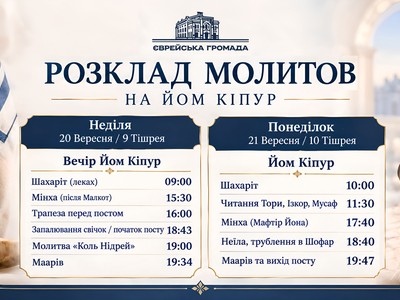
📅 SUNDAY, SEPTEMBER 20 / 9 TISHREIYom Kippur Eve🔹 9:00 AM — Shacharit (lekach)🔹 3:30 PM — Mincha (after Malkot)🍽️ 4:00 PM — Pre-fast meal🕯️ 6:43 PM — Candle lighting / the fast beginsTehillim Recitation🔹 7:00 PM — Kol Nidrei🔹 7:34 PM — Maariv─────────────────📅 MONDAY, SEPTEMBER 21 / 10 TISHREIYom Kippur🔹 10:00 AM — Shacharit🔹 11:30 AM — Torah reading, Yizkor, Musaf🔹 5:40 PM — Mincha (Maftir Yonah)🔹 6:40 PM — Ne’ilah and the sounding of the shofar🌙 7:47 PM — Maariv and the end of the fast


Patience for the Rabbi: Do they wear tefillin on Sukhoth?
Community
Answer:Tefillin is not worn on Saturdays and holidays (yom tov). But on the so-called "semi-festive" days (Hol ha-Moed), there are different customs. The site already talked about this (see the answer "When not to wear tefillin?"). We will only supplement the previous explanation here.In the Torah, tefillin is called a "sign of distinction", a symbol of the Union between the Creator and His people (see Two 6:8 and three more locations).Just as a sign of the Union is the observance of the laws of the Sabbath and holidays. Therefore, as the Sages (Talmud, Menakhot 36) note, on these days — Shabbat and holidays — tefillin are not worn.But the question remains: how to deal with semi-festive days — Hol ha-Moed Sukhoth and Passover?In the Talmud, this is not unambiguous. Most commentators have ruled that tefillin is not worn in Hol HaMoed. However, some great Sages (including the disciples of Rashi and their disciples — the authors of Tosafot, as well as Ritva, Rabbi Yom Tov ben Abraham, Spain, the 14th century, and Rosh — Rabbeinu Asher ben Yechiel, Germany-Spain, the 14th century) believed that in Hol ha-Moed tefillin should be worn, but the blessing (bracha) should be spoken quietly, about oneself.In Shulchan Aruch, Rabbi Yosef Karo (Spain-Turkey-Bulgaria-Israel) ruled that tefillin are not worn these days (Orach Chaim, §31). However, Rama (Rabbi Moshe Isserles, Poland, 16th century), who described Ashkenazi customs, decided otherwise — to wear.Gaon of Vilna (Rabbi Eliyahu of Vilna, 18th century), like all Hasidic teachers, believed that tefillin was not worn in Hol ha-Moed. All Sephardic Jews do the same.Why was there such a difference in the fulfillment of such an important commandment?A definite answer can be found in the book "Zohar" (section "Zohar Hadash" to "Shir ha-Shirim"). It says that in a spiritual sense, the Creator Himself “wears tefillin” on those days when we do not do this — on Shabbat and holidays. On Shabbat and yom tov, He "puts on" tefillin shel rosh (on the head), filling the higher worlds with a special Light. And in Hol ha-Moed - tefillin shel poison (on the hand), which brings the Light of a slightly lower level.The difference between the customs lies in the question — whether it is necessary to additionally "add Light" by our action (dressing tefillin), or not. And it is worth remembering: the principle "you can't spoil porridge with butter" does not always work in spiritual matters.In Eretz Yisrael, even among Ashkenazim in Hol HaMoed, tefillin is usually not worn. The reason for this is understandable given the special holiness of the Land of Israel, as the Zohar passage explains.source: https://evrey.com/