
Our dates: 7 - 8 Iyar
Community
7 Iyar5379 (April 21, 1619) — Yorzeit (anniversary of the departure from this world) Rabbi Shlomo-Ephraim ben Aaron Lunchitsa (Kli Yakar).Rabbi Shlomo-Efraim (he was given the name Ephraim at birth, but during his illness, at the age of 51, added the name Shlomo) is known to us by the name of one of his works - "Kli Yakar" ("Precious Vessel"). Rabbi Ephraim was a student of the famous Talmud scholar Rabbi Shlomo ben Yechiel Luria (Magarshal) and first headed a yeshiva in Lviv, and then moved to Prague, where together with Rabbi Yeshayag Horowitz he headed the Prague city court (Jewish, of course). Rabbi Ephraim's students included prominent rabbis Rabbi Yom Tov Lipman Heller and Rabbi Shabtai Horowitz (son of Rabbi Yeshayag).Rabbi Ephraim was one of the most prominent preachers (darshans) and was famous for his rhetorical art, which fascinated listeners.Iyar 4856 (May 3, 1096) — the beginning of the First Crusade, which opened a period of persecution and religious persecution of European Jewry.source: chabad.odessa
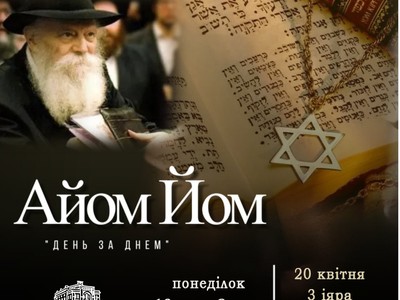
Ayom Yom: 3 Iyaras
Community
Today is 3 Iyar 5786. 18th day of Omer📌 5753 (1993) — Rabbi Chaim-Mordechai-Aizik Khodakov, personal secretary of the Rebbe and director of the Merkaz Leinyanei Hinukh (Center for Education), passed away.Iom Yom“They don't drink water in front of Awdala.”All qualities, even those that in their description and name are considered unkind or even bad, can be used to serve the Almighty according to the Torah.Thus, the righteous rabbi R. Meshulam Zusya from Annopol (may the memory of the righteous be blessed) learned from the thief several principles in the ways of serving G-d:📖 Lubavitcher calendar

Lehathila Ariber: Living Above the Limit
Community
"Lehathila Ariber" (לכתחילה אריבער) (from the beginning — from above):If you've ever talked to the Hasidim of Chabad, you've probably heard the phrase “Lehathila Ariber” (Yiddish:לכתחילה אַריבער). This is not just a good expression, but a whole life strategy that overturns the idea of how to overcome difficulties.❓ What is the essence of the idea?Usually people act like this: “Let's try to go the usual way. If a wall appears, we will go around it, dig it up or, at least, climb it."Rebbe Maarash (the fourth Rebbe of Chabad) proposed a fundamentally different approach:"The world says: if you can't go from below, go from above. And I say: from the very beginning — only from above!What does this mean in practice? No need to wait for a problem to appear in order to heroically overcome it. From the very first step, you should rise above any restrictions. When a person starts a good deed with such confidence, as if there are no obstacles, the reality itself adapts to it — and the "walls" disappear.🎹 Music Code: Nigun Rebe MaarashThis idea has its own "soundtrack". Lehathila Ariber Nigun is not just a melody, but a spiritual practiceIts structure speaks for itself:System breakdown (first part): in most melodies, the tempo builds up gradually. Here, the nigun begins with a sharp, powerful "jump" up. This is the musical embodiment of the approach — to act immediately from a position of victory.Grounding (the second part — "1, 2, 3, 4"): the melody becomes rhythmic and clear. It is a symbol of our material world, where there are boundaries and rules. We do not break away from reality, but bring higher energy into it.Going to Infinity (the third part is "Ein Sof"): the climax. High notes that can be repeated over and over again. The Seventh Rebbe often conducted this piece with special force, repeating it dozens of times until the singers felt that the boundaries no longer existed.🎓 Why does it work? (lesson from Rebbe)The Seventh Rebbe made this principle the foundation for our generation. He taught: if you are faced with double standards, lack of resources or bureaucracy in a holy matter, you should not enter into endless negotiations with difficulties.Three rules of Lehathila Ariber:Don't be “impressed”: don't let the obstacle look big in your eyes. It's just a decoration.Act decisively: start with the scale that is needed, not the scale that circumstances “allow.”Rememberthe Helper: when you go “from above,” you show faith that the Creator is higher than nature. And then comes help beyond natural limits.📜 The Story of a NigunIt is interesting that Rebbe Maarash created this nigga, inspired by the old book "Khon Ashir". He saw in it the notes that awakened this melody in his soul. Later, the Seventh Rebbe adopted this nigga from his grandfather, who personally heard him from the author himself.📖 Lubavitcher calendar
Rosh Chodesh Sivan
Community
Rosh Chodesh SivanOn the eve of Rosh Chodesh Sivan, it is customary to read a special prayer for children, compiled by Shla ha-Kodosh, a great connoisseur of the Torah, a cabalist Rabbi Yeshayahu ben Abraham ha-Levi Hurwitz.For nearly 400 years, Jews around the world have recited the Tfila ha-Shla, a special and powerful prayer for the protection and spiritual well-being of children.Shla HaKodosh wrote:“The most appropriate time for this prayer is Erev Rosh Chodesh Sivan, because it was this month that the Almighty gave us His Torah, and it was then that we were called His children.”The eve of Rosh Chodesh Sivan is also known asYom Kippur KatanN o t a r yShla HaKodosh teaches that it is on this day that, according to the ancient custom, we turn to the Creator with a special prayer in which we ask that our children and the children of our children follow the path of the Torah for all generations.The text of this prayer came to us thanks to Rabbi Shabtai Soifer from Premishlyan. At the meeting of the Four Lands in 1614, he — as an outstanding disciple of Rabbi Mordechai Yafe (the author of Levushim) — was instructed to reprint the Siddur (prayer book). At that time, numerous errors had accumulated in many reprints, and it was he who was entrusted with arranging the texts of the prayers.In Siduri issued by him in 1618, such authorities as Maarsho, Shla a-Kodosh, Bach and others put their signatures. Rabbi Shabtai did not introduce anything new — he only corrected and carefully checked the authenticity of the texts that reached the times of the Great Assembly.Among these prayers was one that today is known as"Tfila a-Shla"N o t a r yThe tradition of saying this prayer on the eve of the month of Sivan belongs to Shla ha-Kodosh himself. Here are his words:“My heart tells me that the best time for this prayer is on the eve of the month of Sivan, because this is the month in which the Torah was given to us. And because we have adopted it, we are called “sons of the Almighty God. ”It would be right for both parents to fast on this day, awaken their hearts to teshuvah, check that all the laws in their house are followed properly, in particular those relating to family purity, and give tzedakah to the worthy poor on this day.”Mishna Brura (47:10)writes that this prayer should become habitual for us, so that we constantly pray to the Creator that our children study the Torah, become righteous, develop features worthy of the title of "man".It is worth remembering this when pronouncing the blessing "Agave Slave", and when we read the morning blessing on the Torah —"both we and our descendants"N o t a r yShla HaKodosh wrote about this in his book Schnee Luhot HaBrit, the name of which gave him the nickname "Shla" (an abbreviation of the name of the book), and "ha-Kodosh" — "saint".Before prayer, it is customary to givetzedakah, thenlight a commemorative candlein honor of the righteous Rabbi Yeshayahu ben Abraham ha-Levi Hurwitz (Shla ha-Kodosh).*Tfila a-Shla: אַתָּהּ הוּא יְיָ אֱלֹהֵינוּ עַד שֶׁלֹּא בָּרָאתָ הָעוֹלָם, וְאַתָּהּ הוּא אֱלֹהֵינוּ מִשֶּׁבָּרָאתָ הָעוֹלָם, וּמֵעוֹלָם וְעַד עוֹלָם אַתָּה אַל. וּבָרָאתָ עוֹלָמְךָ בְּגִין לְאִשְׁתְּמוֹדַע אֱלָהוּתָךְ בְּאֶמְצָעוּת תּוֹרָתְךָ הַקְּדוֹשָׁה כְּמוֹ שֶׁאָמְרוּ רַבּוֹתֵינוּ זִכְרוֹנָם לִבְרָכָה. “בְּרֵאשִׁית”, בִּשְׁבִיל תּוֹרָה וּבִשְׁבִיל יִשְׂרָאֵל, כִּי הֵם עַמְּךָ וְנַחֲלָתְךָ אֲשֶׁר בָּחַרְתָּ בָּהֶם מִכָּל הָאֻמּוֹת, וְנָתַתָּ לָהֶם תּוֹרָתְךָ הַקְּדוֹשָׁה, וְקֵרַבְתָּם לְשִׁמְךָ הַגָּדוֹל. וְעַל קִיּוּם הָעוֹלָם וְעַל קִיּוּם הַתּוֹרָה בָּא לָנוּ מִמְּךָ יְיָ אֱלֹהֵינוּ שְׁנֵי צִוּוּיִים. כָּתַבְתָּ בְּתוֹרָתְךָ “פְּרוּ וּרְבוּ”, וְכָתַבְתָּ בְּתוֹרָתְךָ “וְלִמַּדְתֶּם אוֹתָם אֶת בְּנֵיכֶם”, וְהַכַּוָּנָה בִּשְׁתֵּיהֶן אֶחָת, כִּי לֹא לְתֹהוּ בָרָאתָ כִּי אִם לָשֶׁבֶת, וְלִכְבוֹדְךָ בָּרָאתָ, יָצַרְתָּ אַף עָשִׂיתָ, כְּדֵי שֶׁנִּהְיֶה אֲנַחְנוּ וְצֶאֱצָאֵינוּ וְצֶאֶצָאֵי כָּל עַמְּךָ בֵּית יִשְׂרָאֵל יוֹדְעֵי שְׁמֶךָ וְלוֹמְדֵי תּוֹרָתֶךָ. וּבְכֵן אָבוֹא אֵלֶיךָ יְיָ מֶלֶךְ מַלְכֵי הַמְּלָכִים, וְאַפִּיל תְּחִנָּתִי, וְעֵינַי לְךָ תְּלוּיוֹת עַד שֶׁתְּחָנֵּנִי וְתִשְׁמַע תְּפִלָּתִי לְהַזְמִין לִי בָּנִים וּבָנוֹת, וְגַם הֵם יִפְרוּ וְיִרְבּוּ הֵם וּבְנֵיהֶם וּבְנֵי בְּנֵיהֶם עַד סוֹף כָּל הַדּוֹרוֹת לְתַכְלִית שֶׁהֵם וַאֲנִי וַאֲנַחְנוּ כֻּלָּנוּ יַעַסְקוּ בְּתוֹרָתְךָ הַקְּדוֹשָׁה לִלְמֹד וּלְלַמֵּד לִשְׁמֹר וְלַעֲשׂוֹת וּלְקַיֵּם אֶת כָּל דִּבְרֵי תַּלְמוּד תּוֹרָתְךָ בְּאַהֲבָה, וְהָאֵר עֵינֵינוּ בְּתוֹרָתֶךָ וְדַבֵּק לִבֵּנוּ בְּמִצְווֹתֶיךָ לְאַהֲבָה וּלְיִרְאָה אֶת שְׁמֶךָ. אָבִינוּ אָב הָרַחֲמָן, תֵּן לְכֻלָּנוּ חַיִּים אֲרֻכִּים וּבְרוּכִים, מִי כָמוֹךָ אָב הָרַחֲמִים זוֹכֵר יְצוּרָיו לְחַיִּים בְּרַחֲמִים, זָכְרֵנוּ לְחַיִּים נִצְחִיִּים כְּמוֹ שֶׁהִתְפַּלֵּל אַבְרָהָם אָבִינוּ “לוּ יִחְיֶה לְפָנֶיךָ”, וּפֵרְשׁוּ רַבּוֹתֵינוּ זִכְרוֹנָם לִבְרָכָה, “בְּיִרְאָתֶךָ”. כִּי עַל כֵּן, בָּאתִי לְבַקֵּשׁ וּלְחַנֵּן מִלְּפָנֶיךָ שֶׁיְּהֵא זַרְעִי וְזֶרַע זַרְעִי עַד עוֹלָם זֶרַע כָּשֵׁר, וְאַל יִמָּצֵא בִי וּבְזַרְעִי וּבְזֶרַע זַרְעִי עַד עוֹלָם שׁוּם פְּסוּל וָשֶׁמֶץ, אַךְ שָׁלוֹם וֶאֱמֶת וְטוֹב וְיָשָׁר בְּעֵינֵי אֱלֹהִים וּבְעֵינֵי אָדָם, וְיִהְיוּ בַּעֲלֵי תוֹרָה, מָארֵי מִקְרָא, מָארֵי מִשְׁנָה, מָארֵי תַלְמוּד, מָארֵי רָזָא, מָארֵי מִצְוָה, מָארֵי גוֹמְלֵי חֲסָדִים, מָארֵי מִדּוֹת תְּרוּמִיּוֹת, וְיַעַבְדוּךָ בְּאַהֲבָה וּבְיִרְאָה פְּנִימִית, וְלֹא יִרְאָה חִיצוֹנִית. וְתֵן לְכָל גְּוִיָּה וּגְוִיָּה מֵהֶם דֵּי מַחְסוֹרָהּ בְּכָבוֹד, וְתֵן לָהֶם בְּרִיאוּת וְכָבוֹד וְכֹחַ, וְתֵן לָהֶם קוֹמָה וְיֹפִי וְחֵן וָחֶסֶד, וְיִהְיֶה אַהֲבָה וְאַחֲוָה וְשָׁלוֹם בֵּינֵיהֶם, וְתַזְמִין לָהֶם זִוּוּגִים הֲגוּנִים מִזֶּרַע תַּלְמִידֵי חֲכָמִים מִזֶּרַע צַדִּיקִים, וְגַם הֵם זִוּוּגָם יִהְיוּ כְּמוֹתָם כְּכָל אֲשֶׁר הִתְפַּלַּלְתִּי עֲלֵיהֶם, כִּי זִכָּרוֹן אֶחָד עוֹלֶה לְכָאן וּלְכָאן. אַתָּה יְיָ יוֹדֵעַ כָּל תַּעֲלוּמוֹת, וּלְפָנֶיךָ נִגְלוּ מַצְפּוּנֵי לִבִּי, כִּי כַוָנָתִי בְּכָל אֵלֶּה לְמַעַן שִׁמְךָ הַגָּדוֹל וְהַקָּדוֹשׁ וּלְמַעַן תּוֹרָתְךָ הַקְּדוֹשָׁה. עַל כֵּן עֲנֵנִי יְיָ עֲנֵנִי בַּעֲבוּר הָאָבוֹת הַקְּדוֹשִׁים אַבְרָהָם יִצְחָק וְיַעֲקֹב, וּבִגְלָלָם תּוֹשִׁיעַ בָּנִים לִהְיוֹת הָעֲנָפִים דּוֹמִים לְשָׁרְשָׁם, וּבַעֲבוּר דָּוִד עַבְדֶּךָ רֶגֶל רְבִיעִי בַּמֶּרְכָּבָה, הַמְּשׁוֹרֵר בְּרוּחַ קָדְשֶׁךָ. שִׁיר הַמַּעֲלוֹת אַשְׁרֵי כָּל יְרֵא ה’ הַהֹלֵךְ בִּדְרָכָיו. יְגִיעַ כַּפֶּיךָ כִּי תאֹכֵל אַשְׁרֶיךָ וְטוֹב לָךְ. אֶשְׁתְּךָ כְּגֶפֶן פֹּרִיָּה בְּיַרְכְּתֵי בֵיתֶךָ בָּנֶיךָ כִּשְׁתִלֵי זֵיתִים סָבִיב לְשֻׁלְחָנֶךָ. הִנֵּה כִי כֵן יְבֹרַךְ גָּבֶר יְרֵא ה’. יְבָרֶכְךָ ה’ מִצִּיּוֹן וּרְאֵה בְּטוּב יְרוּשָׁלָיִם כֹּל יְמֵי חַיֶּיךָ. וּרְאֵה בָנִים לְבָנֶיךָ שָׁלוֹם עַל יִשְׂרָאֵל. אָנָּא יְיָ שׁוֹמֵעַ תְּפִלָּה, יְקֻיַּם בָּנוּ הַפָּסוּק. וַאֲנִי זֹאת בְּרִיתִי אוֹתָם אָמַר יְיָ רוּחִי אֲשֶׁר עָלֶיךָ וּדְבָרַי אֲשֶׁר שַׂמְתִּי בְּפִיךָ לֹא יָמוּשׁוּ מִפִּיךָ וּמִפִּי זַרְעֲךָ וּמִפִּי זֶרַע זַרְעֲךָ אָמַר יְיָ מֵעַתָּה וְעַד עוֹלָם. יִהְיוּ לְרָצוֹן אִמְרֵי פִי וְהֶגְיוֹן לִבִּי לְפָנֶיךָ יְיָ צוּרִי וְגוֹאֲלִי:Transliteration "Ata hu Ado-nai Elohaynu ad shelo barata ha-olam, ve-ata Ado-nai Elohaynu mi-she-barata haolam, u-me-olam ve-ad olam Ata El, u-varata olamha be-gin le-hishtmoda Elohutha be-emtsaut Toratha ha-kdosha kmo she-omru rabateinu zichronam livraha, "Bereshit", bishvil Torah u-vishvil Yisrael ki hem amha ve-nachalatha asher baharta ba-hem mi-kol ha-umot, ve-natata la-hem Toratha ha-kdosha, ve-keravtam le-Shimha ha-gadol. Ve-al kiyum haolam ve-al kiyum ha-Torah ba lanu mimha Adon-nai Eloheynu shnei tsivuim, katavta be-Toratha “pru u-rvu”, ve-katavta be-Toratha “Ve-limadtem otam et bneyham”, ve-hakavana bi-shteyem ahat ki lo la-tohu barata ki im lashevet, ve-ly-hvodha barata yatsarta af asita, kdey she-nyhye anahnu ve-tsetsaenu ve-tsetsaey kol amha beit Yisrael yodey Shmekha ve-lomdei Torateha. U-vhen avo elekha Adon-nai Melech malhei hamlahim, ve-apil thynati, ve-eynai lekha teluiot ad she-tehaneni ve-tishma tfilati lehazmin li banim u-vanot ve-gam hem ifru ve-irbu hem u-vneihem u-vnei vneihem ad sof kol ha-dorot letahlit shehem va-any kulanu yaasku be-Toratha hakdosha lilmod u-lelamed lishmor ve-laasot u-lekayem kol divrei talmud Torateha be-ahava, ve-haer einenu be-Torateha ve-dabek libeinu be-mitzvoteha le-ahava u-le-ira et Shmeha. Avinu av harahaman, ten le-hulanu chaim arukim u-vruhim, mi kamoha av harahamim zoher yetsurav le-chaim be-rahamim, zohrenu le-chaim nytchyim, kmo she-hitpalel Avraham avinu “lu Ishmael ihye lefaneha” u-fershu rabteinu zichronam livraha “be-irateha”. Ki al ken, bati levakesh u-lehanen milefaneha she-yeheh zary ve-zera zary ad olam zera kasher, veal imatse vy u-ve-zary u-ve-zera zary ad olam shum psul va-shemets, ah shalom ve-emet ve-tov ve-yashar be-eyney Elohym u-ve-eyney adam, ve-ihyyu baalei Torah, marey Mikra, marei Mishna, marei Talmud, marei raza, marei mitzvah, marei gomlei hasadim, marei midot trumyot, ve-yaavduha be-ahava u-ve-ira pnimit, velo ira hitsonit, ve-ten lehol gvia u-gvia mehem dey mahsora be-havod, ve-ten lahem briyut ve-havod ve-hoah, ve-ten lahem koma ve-yofi ve-hen ve-hesed, ve-ihye ahava ve-ahava ve-shalom b-eineyhem, ve-tazmin lahem zivugim hagunim mi-zera talmidei hahamim, mi-zera tzadikim, vegam zivugam ihyyu hemotam kehol asher hitpalalty aleihem, ki zikaron ehad ole lehan u-lekhan. Ata Adonai yodea kol taalumot, u-lefaneha niglu matspunei lyby ky havanati behol ele lemaan Shimha ha-gadol ve-ha-kadosh u-lemaan Toratha ha-kdosha, al ken aneny Adon-nai aneny baavur haavot hakdoshim Avraham Yitzchak ve-Yaakov, y-viglalam toshia banim lyhyot ha-anafim domym le-shorsham, u-ve-avur David avdeha regel rvii ba-merkava, ha-meshorer be-ruach kodshekha. Shir hamaalot ashrei kol yere Ado-nai haholeh bi-drahav: yagia kapeha ki tohel ashreha ve-tov lah: ishteha ke-gefen poriya be-yarketei veiteha baneha ki-shtiley zeitim sawiv le-shulkhaneha: hyne hi hen yevorah havar yere Ado-nai: yevarehaha Ado-nai mi-tzion u-rye be-tov Yerushalayim kol yemei hayeha: u-rye vanim levaneha shalom al Yisrael. Ana Ado-nai shomea tfila yekuyam banu ha-pasuk va-any zot briti otam amar Ado-nai ruhi asher alekha u-devorai asher sishti be-fiha lo yamushu mi-pyha u-mi-py zaraha u-mi-py zera zaraha amar Ado-nai me-ata ve-ad olam. Ihyyu le-razon imrey fi ve-hegyon lyby lefanekha, Adon-nai tsuri ve-goali". Prayer for descendants and TorahYou, Lord God, were ours before the creation of the world,and You, our God, have not changed since the creation of the world,and from age to age You are G-d.And You created Your world so that everyone would know that You are G-d,from your holy Torah, as our sages have said, may their memory be blessed:“In the beginning…” — for the sake of the Torah and for the sake of Israel.For they are your people and your inheritance.You chose them from among all nations and gave them Your holy Torahand brought them closer to His great Name.In order for the world to exist and the Torah to be preserved,You, Lord our God, have given two commands:says in Your Torah —“Be fruitful and multiply”,and it says —“Teach it to your children”N o t a r yAnd the meaning of both is the same:that You created the world for a reason,and for filling and settling,and for Your glory's sake You created it, formed it, and made it,that we, and our children, and the children of Your people, the house of Israel,they knew your name and studied your holy Torah.Therefore, I turn to You, God, King of Kings,and I pray, and my eyes are turned to You,until you look at me and hear my prayer:send me sons and daughters,and that they also be fruitful and multiply —them, their children, and their children's children for all generations.That they, and I, and all of us, may devote ourselves to Your holy Torah-studied and taught, preserved and fulfilled all the words of Your teaching with love.Enlighten our eyes with Your Torah,and turn our heart to Your commandments,to love your name and tremble before it.Avina, the Merciful Father, grant us all a long and blessed life.Who, as You are merciful, remembers Your creatures and gives them life?Remember us and give us life —as our forefather Abraham prayed:“If only Ishmael had lived before You…”,and our wise men, blessed be their memory, interpreted:“in your trembling”N o t a r yTherefore, I have come to ask and to pray before You,that my offspring and the offspring of my offspring may be kosher forever,and that it should not be in me, or in my offspring, or in the offspring of my descendantsneither faults nor shame,but only peace and truth, kindness and directness — in the eyes of the Lord and people.Let them be aware of the Torah:know the Scriptures, know the Mishnah, know the Talmud, know the Secret,keep the commandments, show mercy,have noble qualities,and let them serve You with love and inner trembling, not just outer trembling.Give each of them everything they need for a decent life:health, dignity, strength, wealth, beauty, attractiveness, kindness.May there be love, brotherhood and peace between them.Send them a worthy couple — from the lineage of the Torah sages, from the lineage of the righteous,and that they themselves be worthy men and women,for I ask the same thing for my sons and for my daughters.You, God, know all the secrets,and what is in my heart is revealed to you:i ask all this for the sake of Your great and holy Nameand for the sake of Your holy Torah.So answer me, G-d, answer for the sake of the holy forefathers:Abraham, Isaac and Jacob,and save your sons for them —so that the branches are like roots.And for David Your servant's sake,the fourth pillar of the Divine Throne,singing, endowed with Your holy spirit.Song of the Rise (Shire of Hamaalot):Blessed is everyone who fears the Lord, who walks in His ways.You will eat the fruit of the labor of your hands — blessed are you, and it will be good for you.Your wife is like a vine, fruitful in your house.Your sons are like olive seedlings around your table.This is how one who fears the Lord will be blessed.May the Lord of Zion bless you,and you will see the prosperity of Jerusalem all the days of your life.And you will see the children of your children.Peace be upon Israel!I beg you, God, that you hear my prayers,may what the verse says be fulfilled in me:“And My covenant with them,” says the Lord:My Spirit that is upon you, and My words that I have put in your mouth,will not vanish from your mouth,and from the mouths of your descendants,and from the mouths of their descendants, says the Lord, from henceforth and forever!”https://silatehilim.com/
9 facts about the month of Sivan that every Jew should know
Community
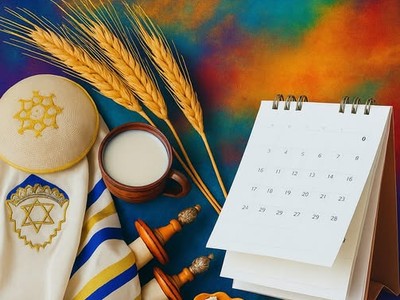
1. Sivan — the third month of the Jewish calendarSince the first month of the year is called the spring month of Nisan in the Torah, Sivan is considered the third month of the Jewish calendar. And if you count from the month of Tishrei (Rosh Hashanah — Jewish New Year), which falls in autumn, then Sivan is the ninth month.2. The name of this month is mentioned for the first time in the book of EstherLike the names of other months in the modern Jewish calendar, Sivan dates back to the Babylonian exile.For the first time, this name is found in the Book of Esther, which refers to a royal decree written:“…in the third month, that is, in the month of Sivan, on the twenty-third day…” (Esther 8:9).3. The time of giving the TorahOn the first day of the third month after the Exodus from Egypt, our ancestors reached Mount Sinai. Six days later, the Most High ascended the mountain and gave the people of Israel the Ten Commandments.This time was not chosen by chance:The Torah has three parts (Torah, Prophets, Scriptures);jews are divided into three groups (Chohans, Levites and Israel);Moshe was the third among the children of his parents (after Miriam and Aaron);and three days were allotted to prepare for Revelation, when men and women were to live separately.4. Shavuot is celebrated in SivanShavuot — the anniversary of the Sinai Revelation — is celebrated on the 6th of Sivan (and in the diaspora — also on the 7th). This is 50 days after the feast of Passover.Rite Shavuot:night study of the Torah,reading the Ten Commandments in the synagogue,festive dairy meal,izkor Prayer (pomeral).5. Wheat harvesting seasonIn the Land of Israel, Sivan is the time of harvest. In the days of the Temple, the Jews brought to Shavuot grain sacrifices from the new wheat harvest, as well as bikurim — the first fruits and grain, thanking G-d for his generosity.6. Zodiac sign — GeminiAfter Aries and Taurus, Gemini (in Hebrew "theomim") is the first sign of the zodiac that symbolizes a person.The sages explain that this is an ideal sign for the month of giving the Torah — after all, only a person can sing praise and rejoice in this revelation.read the full text on our website:https://jewishukraine.info/post/306
Laws of the Month of Sivan
Community
The first twelve days of the month of Sivan are different from the rest of the days. They are subject to a special sanctity (albeit less than on holidays).The first of these days is Rosh Chodesh, and its status is no different from the other beginnings of the month.The four days between Rosh Chodesh and the holiday on the 6th of Sivan are the days in which Moshe and the forefathers were busy preparing to receive the Torah.The 6th of Sivan (and outside Eretz Yisrael also the 7th of Sivan) is the holiday of Shavuot.The 7th of Sivan is Yom ha-Tibuach ("the day of sacrifice"), the day when pilgrims who arrived in Jerusalem on Shavuot offered festive sacrifices if the holiday itself fell on Shabbat (since private sacrifices - unlike public ones - are not offered on Shabbat).In the following five days, pilgrims could also make their sacrifices if they did not have time to do it on the holiday itself - because according to the law it is allowed for seven days, including the holiday.Thus, all the first 12 days of the month of Sivan are of increased sanctity compared to normal weekdays.Therefore, in these 12 days:do not read Tahaanun in prayer,do not say "Yehi Razon" after reading the Torah,the dead are not remembered.Fasts are not established on these days - even in the case of fasting on Yortzeit (the anniversary of the death of a father or mother).However, Taanit Halom (dream induced) fasting is permitted.It is also allowed for the groom to fast on the wedding day.Such customs are accepted in Eretz Israel.Outside of it, it is customary not to fast or read Tahaanun only until Isru hag — that is, until the 8th of Sivan inclusive (since the 6th and 7th of Sivan are considered festive there).

Psychologist's advice: WHAT TO DO WITH ESPECIALLY VULNERABLE PEOPLE!?
Community
They asked to talk about "sharpness" and about "especially sensitive people who are so easily affected." Well, let's talk.First.You should NOT communicate with those you do not like. In general. Never.It doesn't make any sense. You can not quarrel or curse with anyone, it is not necessary to inform the person that he annoys you. But if this is so - save yourself and, by the way, her from such a "friendship".Second.If you start from the position that you and the person are interesting and pleasant to communicate with, then - unless you are, of course, a sociopath - you will not want to insult them on purpose. So, if you don't say nasty things to her yourself and do it consciously, then you don't have to bear RESPONSIBILITY for how this person understood you. You didn't want to offend her specifically? So, the rest are her purely personal problems.The third.People with cockroaches have their own triggers. You tell them "here's a stool", and they - "do you think I look like a stool?!". And further in the same spirit.Everyone has their own problems. If you were not informed in advance that with this person, say, you cannot mention the name "Ivan" or talk about cacti, then this is not your problem and not your fault. Unless you are wearing a white coat and are not her attending physician, please relieve yourself of the responsibility for her mental health.The fourth.If you still offended a person, he can tell you this in a direct text and indicate that it was SAME that offended him. If she does not do this, but begins to sulk at you and with her whole appearance makes it clear that you should guess what it is about - see point one. It's also called passive aggression, if that.Fifth.There are openly aggressive people in the world who like to say nasty things to others. That's one thing. But if you are not one of those people, then keep in mind: resentment already lives in this "sensitive" person. She just needs to place it (the insult) on someone. You can sympathize with this person, but you will not affect his desire to place his offense on others. Relationships should be easy, transparent and bring joy!© Psychological Counseling
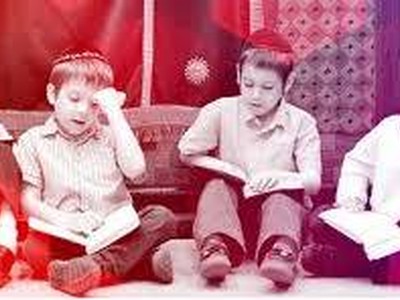
The Shla HaKodosh prayer for children on the eve of Rosh Chodesh Sivan
Community
On the eve of Rosh Chodesh Sivan, it is customary to read a special prayer for children composed by Shla a-Kodosh, a great Torah scholar, Kabbalist Rabbi Yeshayag ben Avraham ha-Levi Hurwitz.For nearly 400 years, Jews around the world have recited Tfilah HaShela, a special and powerful prayer for the protection and spiritual well-being of children.Shla a-Kodosh wrote:"The most appropriate time for this prayer is Erev Rosh Chodesh Sivan, because it was in this month that the Most High gave us His Torah, and it was then that we were called His children."The eve of Rosh Chodesh Sivan is also known asYom Kippur Katan.Shla a-Kodosh teaches that on this very day, according to ancient custom, we turn to the Creator with a special prayer, in which we ask that our children and our children's children in all generations follow the path of the Torah.The text of this prayer came down to us thanks to Rabbi Shabtai Soifer from Premyshlian. At the meeting of the Four Lands in 1614, he - as a distinguished student of Rabbi Mordechai Yafe (author of Levushim) - was commissioned to republish the Siddur (prayer book). At that time, numerous errors had accumulated in many reprints, and it was he who was entrusted with arranging the texts of the prayers.The Siddur published by him in 1618 was signed by such authorities as Maarsho, Shla a-Kodosh, Bach and others. Rabbi Shabtai did not introduce anything new - he only corrected and carefully checked the authenticity of texts dating back to the time of the Great Assembly.Among these prayers was the one known today as"Tfila a-Shla".The tradition of saying this prayer on the kanun of the month of Sivan belongs to Shla a-Kodosh himself. Here are his words:"My heart tells me that the best time for this prayer is the eve of the month of Sivan, because it was in this month that the Torah was given to us. And thanks to the fact that we accepted it, we are called "sons of the Almighty G-d." It would be proper for both parents to fast on this day, awaken their hearts to tshuva, check that all the laws in their home are properly observed, especially those related to family purity, and give tzaddaq to the deserving poor on this day.''Mishna Brura (47:10)writes that this prayer should become habitual for us, so that we constantly pray to the Creator that our children study the Torah, become righteous, develop traits worthy of the title of "man".This should be remembered when pronouncing the blessing "Agave Raba" and when we read the morning blessing on the Torah -"and we and our descendants".Shla a-Kodosh wrote about this in his book Shnei Luhot ha-Brit, the name of which gave him the nickname "Shla" (abbreviation of the book title), and "a-Kodosh" - "holy".It is customary to give before prayertzdaka, after whichlight a memorial candlein honor of the righteous man - Rabbi Yeshayagu ben Avraham ha-Levi Hurwitz (Shla a-Kodosha).*Tfila a-Shla: אַתָּהּ הוּא יְיָ אֱלֹהֵינוּ עַד שֶׁלֹּא בָּרָאתָ הָעוֹלָם, וְאַתָּהּ הוּא אֱלֹהֵינוּ מִשֶּׁבָּרָאתָ הָעוֹלָם, וּמֵעוֹלָם וְעַד עוֹלָם אַתָּה אַל. וּבָרָאתָ עוֹלָמְךָ בְּגִין לְאִשְׁתְּמוֹדַע אֱלָהוּתָךְ בְּאֶמְצָעוּת תּוֹרָתְךָ הַקְּדוֹשָׁה כְּמוֹ שֶׁאָמְרוּ רַבּוֹתֵינוּ זִכְרוֹנָם לִבְרָכָה. “בְּרֵאשִׁית”, בִּשְׁבִיל תּוֹרָה וּבִשְׁבִיל יִשְׂרָאֵל, כִּי הֵם עַמְּךָ וְנַחֲלָתְךָ אֲשֶׁר בָּחַרְתָּ בָּהֶם מִכָּל הָאֻמּוֹת, וְנָתַתָּ לָהֶם תּוֹרָתְךָ הַקְּדוֹשָׁה, וְקֵרַבְתָּם לְשִׁמְךָ הַגָּדוֹל. וְעַל קִיּוּם הָעוֹלָם וְעַל קִיּוּם הַתּוֹרָה בָּא לָנוּ מִמְּךָ יְיָ אֱלֹהֵינוּ שְׁנֵי צִוּוּיִים. כָּתַבְתָּ בְּתוֹרָתְךָ “פְּרוּ וּרְבוּ”, וְכָתַבְתָּ בְּתוֹרָתְךָ “וְלִמַּדְתֶּם אוֹתָם אֶת בְּנֵיכֶם”, וְהַכַּוָּנָה בִּשְׁתֵּיהֶן אֶחָת, כִּי לֹא לְתֹהוּ בָרָאתָ כִּי אִם לָשֶׁבֶת, וְלִכְבוֹדְךָ בָּרָאתָ, יָצַרְתָּ אַף עָשִׂיתָ, כְּדֵי שֶׁנִּהְיֶה אֲנַחְנוּ וְצֶאֱצָאֵינוּ וְצֶאֶצָאֵי כָּל עַמְּךָ בֵּית יִשְׂרָאֵל יוֹדְעֵי שְׁמֶךָ וְלוֹמְדֵי תּוֹרָתֶךָ. וּבְכֵן אָבוֹא אֵלֶיךָ יְיָ מֶלֶךְ מַלְכֵי הַמְּלָכִים, וְאַפִּיל תְּחִנָּתִי, וְעֵינַי לְךָ תְּלוּיוֹת עַד שֶׁתְּחָנֵּנִי וְתִשְׁמַע תְּפִלָּתִי לְהַזְמִין לִי בָּנִים וּבָנוֹת, וְגַם הֵם יִפְרוּ וְיִרְבּוּ הֵם וּבְנֵיהֶם וּבְנֵי בְּנֵיהֶם עַד סוֹף כָּל הַדּוֹרוֹת לְתַכְלִית שֶׁהֵם וַאֲנִי וַאֲנַחְנוּ כֻּלָּנוּ יַעַסְקוּ בְּתוֹרָתְךָ הַקְּדוֹשָׁה לִלְמֹד וּלְלַמֵּד לִשְׁמֹר וְלַעֲשׂוֹת וּלְקַיֵּם אֶת כָּל דִּבְרֵי תַּלְמוּד תּוֹרָתְךָ בְּאַהֲבָה, וְהָאֵר עֵינֵינוּ בְּתוֹרָתֶךָ וְדַבֵּק לִבֵּנוּ בְּמִצְווֹתֶיךָ לְאַהֲבָה וּלְיִרְאָה אֶת שְׁמֶךָ. אָבִינוּ אָב הָרַחֲמָן, תֵּן לְכֻלָּנוּ חַיִּים אֲרֻכִּים וּבְרוּכִים, מִי כָמוֹךָ אָב הָרַחֲמִים זוֹכֵר יְצוּרָיו לְחַיִּים בְּרַחֲמִים, זָכְרֵנוּ לְחַיִּים נִצְחִיִּים כְּמוֹ שֶׁהִתְפַּלֵּל אַבְרָהָם אָבִינוּ “לוּ יִחְיֶה לְפָנֶיךָ”, וּפֵרְשׁוּ רַבּוֹתֵינוּ זִכְרוֹנָם לִבְרָכָה, “בְּיִרְאָתֶךָ”. כִּי עַל כֵּן, בָּאתִי לְבַקֵּשׁ וּלְחַנֵּן מִלְּפָנֶיךָ שֶׁיְּהֵא זַרְעִי וְזֶרַע זַרְעִי עַד עוֹלָם זֶרַע כָּשֵׁר, וְאַל יִמָּצֵא בִי וּבְזַרְעִי וּבְזֶרַע זַרְעִי עַד עוֹלָם שׁוּם פְּסוּל וָשֶׁמֶץ, אַךְ שָׁלוֹם וֶאֱמֶת וְטוֹב וְיָשָׁר בְּעֵינֵי אֱלֹהִים וּבְעֵינֵי אָדָם, וְיִהְיוּ בַּעֲלֵי תוֹרָה, מָארֵי מִקְרָא, מָארֵי מִשְׁנָה, מָארֵי תַלְמוּד, מָארֵי רָזָא, מָארֵי מִצְוָה, מָארֵי גוֹמְלֵי חֲסָדִים, מָארֵי מִדּוֹת תְּרוּמִיּוֹת, וְיַעַבְדוּךָ בְּאַהֲבָה וּבְיִרְאָה פְּנִימִית, וְלֹא יִרְאָה חִיצוֹנִית. וְתֵן לְכָל גְּוִיָּה וּגְוִיָּה מֵהֶם דֵּי מַחְסוֹרָהּ בְּכָבוֹד, וְתֵן לָהֶם בְּרִיאוּת וְכָבוֹד וְכֹחַ, וְתֵן לָהֶם קוֹמָה וְיֹפִי וְחֵן וָחֶסֶד, וְיִהְיֶה אַהֲבָה וְאַחֲוָה וְשָׁלוֹם בֵּינֵיהֶם, וְתַזְמִין לָהֶם זִוּוּגִים הֲגוּנִים מִזֶּרַע תַּלְמִידֵי חֲכָמִים מִזֶּרַע צַדִּיקִים, וְגַם הֵם זִוּוּגָם יִהְיוּ כְּמוֹתָם כְּכָל אֲשֶׁר הִתְפַּלַּלְתִּי עֲלֵיהֶם, כִּי זִכָּרוֹן אֶחָד עוֹלֶה לְכָאן וּלְכָאן. אַתָּה יְיָ יוֹדֵעַ כָּל תַּעֲלוּמוֹת, וּלְפָנֶיךָ נִגְלוּ מַצְפּוּנֵי לִבִּי, כִּי כַוָנָתִי בְּכָל אֵלֶּה לְמַעַן שִׁמְךָ הַגָּדוֹל וְהַקָּדוֹשׁ וּלְמַעַן תּוֹרָתְךָ הַקְּדוֹשָׁה. עַל כֵּן עֲנֵנִי יְיָ עֲנֵנִי בַּעֲבוּר הָאָבוֹת הַקְּדוֹשִׁים אַבְרָהָם יִצְחָק וְיַעֲקֹב, וּבִגְלָלָם תּוֹשִׁיעַ בָּנִים לִהְיוֹת הָעֲנָפִים דּוֹמִים לְשָׁרְשָׁם, וּבַעֲבוּר דָּוִד עַבְדֶּךָ רֶגֶל רְבִיעִי בַּמֶּרְכָּבָה, הַמְּשׁוֹרֵר בְּרוּחַ קָדְשֶׁךָ. שִׁיר הַמַּעֲלוֹת אַשְׁרֵי כָּל יְרֵא ה’ הַהֹלֵךְ בִּדְרָכָיו. יְגִיעַ כַּפֶּיךָ כִּי תאֹכֵל אַשְׁרֶיךָ וְטוֹב לָךְ. אֶשְׁתְּךָ כְּגֶפֶן פֹּרִיָּה בְּיַרְכְּתֵי בֵיתֶךָ בָּנֶיךָ כִּשְׁתִלֵי זֵיתִים סָבִיב לְשֻׁלְחָנֶךָ. הִנֵּה כִי כֵן יְבֹרַךְ גָּבֶר יְרֵא ה’. יְבָרֶכְךָ ה’ מִצִּיּוֹן וּרְאֵה בְּטוּב יְרוּשָׁלָיִם כֹּל יְמֵי חַיֶּיךָ. וּרְאֵה בָנִים לְבָנֶיךָ שָׁלוֹם עַל יִשְׂרָאֵל. אָנָּא יְיָ שׁוֹמֵעַ תְּפִלָּה, יְקֻיַּם בָּנוּ הַפָּסוּק. וַאֲנִי זֹאת בְּרִיתִי אוֹתָם אָמַר יְיָ רוּחִי אֲשֶׁר עָלֶיךָ וּדְבָרַי אֲשֶׁר שַׂמְתִּי בְּפִיךָ לֹא יָמוּשׁוּ מִפִּיךָ וּמִפִּי זַרְעָךָ וּמִפִּי זְרַע זַרְעֲךָ אָמַר יְיָ מֵעַתָּה וְעַד עוֹלָם. יִהְיוּ לְרָצוֹן אִמְרֵי פִי וְהֶגְיוֹן לִבִּי לְפָנֶיךָ יְיָ צוּרִי וְגוֹאֲלִי: * Transliteration: "Ata hu Ado-nai Elohaynu ad shelo barata ha-olam, ve-ata Ado-nai Elohaynu mi-she-barata haolam, u-me-olam ve-ad olam Ata El, u-varata olamha be-gin le-hishtmoda Elohutha be-emtsaut Toratha ha-kdosha kmo she-omru rabateinu zichronam livraha, "Bereshit", bishvil Torah u-vishvil Yisrael ki hem amha ve-nachalatha asher baharta ba-hem mi-kol ha-umot, ve-natata la-hem Toratha ha-kdosha, ve-keravtam le-Shimha ha-gadol. Ve-al kiyum haolam ve-al kiyum ha-Torah ba lanu mimha Adon-nai Eloheynu shnei tsivuim, katavta be-Toratha “pru u-rvu”, ve-katavta be-Toratha “Ve-limadtem otam et bneyham”, ve-hakavana bi-shteyem ahat ki lo la-tohu barata ki im lashevet, ve-ly-hvodha barata yatsarta af asita, kdey she-nyhye anahnu ve-tsetsaenu ve-tsetsaey kol amha beit Yisrael yodey Shmekha ve-lomdei Torateha. U-vhen avo elekha Adon-nai Melech malhei hamlahim, ve-apil thynati, ve-eynai lekha teluiot ad she-tehaneni ve-tishma tfilati lehazmin li banim u-vanot ve-gam hem ifru ve-irbu hem u-vneihem u-vnei vneihem ad sof kol ha-dorot letahlit shehem va-any kulanu yaasku be-Toratha hakdosha lilmod u-lelamed lishmor ve-laasot u-lekayem kol divrei talmud Torateha be-ahava, ve-haer einenu be-Torateha ve-dabek libeinu be-mitzvoteha le-ahava u-le-ira et Shmeha. Avinu av harahaman, ten le-hulanu chaim arukim u-vruhim, mi kamoha av harahamim zoher yetsurav le-chaim be-rahamim, zohrenu le-chaim nytchyim, kmo she-hitpalel Avraham avinu “lu Ishmael ihye lefaneha” u-fershu rabteinu zichronam livraha “be-irateha”. Ki al ken, bati levakesh u-lehanen milefaneha she-yeheh zary ve-zera zary ad olam zera kasher, veal imatse vy u-ve-zary u-ve-zera zary ad olam shum psul va-shemets, ah shalom ve-emet ve-tov ve-yashar be-eyney Elohym u-ve-eyney adam, ve-ihyyu baalei Torah, marey Mikra, marei Mishna, marei Talmud, marei raza, marei mitzvah, marei gomlei hasadim, marei midot trumyot, ve-yaavduha be-ahava u-ve-ira pnimit, velo ira hitsonit, ve-ten lehol gvia u-gvia mehem dey mahsora be-havod, ve-ten lahem briyut ve-havod ve-hoah, ve-ten lahem koma ve-yofi ve-hen ve-hesed, ve-ihye ahava ve-ahava ve-shalom b-eineyhem, ve-tazmin lahem zivugim hagunim mi-zera talmidei hahamim, mi-zera tzadikim, vegam zivugam ihyyu hemotam kehol asher hitpalalty aleihem, ki zikaron ehad ole lehan u-lekhan. Ata Adonai yodea kol taalumot, u-lefaneha niglu matspunei lyby ky havanati behol ele lemaan Shimha ha-gadol ve-ha-kadosh u-lemaan Toratha ha-kdosha, al ken aneny Adon-nai aneny baavur haavot hakdoshim Avraham Yitzchak ve-Yaakov, y-viglalam toshia banim lyhyot ha-anafim domym le-shorsham, u-ve-avur David avdeha regel rvii ba-merkava, ha-meshorer be-ruach kodshekha. Shir hamaalot ashrei kol yere Ado-nai haholeh bi-drahav: yagia kapeha ki tohel ashreha ve-tov lah: ishteha ke-gefen poriya be-yarketei veiteha baneha ki-shtiley zeitim sawiv le-shulkhaneha: hyne hi hen yevorah havar yere Ado-nai: yevarehaha Ado-nai mi-tzion u-rye be-tov Yerushalayim kol yemei hayeha: u-rye vanim levaneha shalom al Yisrael. Ana Ado-nai shomea tfila yekuyam banu ha-pasuk va-any zot briti otam amar Ado-nai ruhi asher alekha u-devorai asher sishti be-fiha lo yamushu mi-pyha u-mi-py zaraha u-mi-py zera zaraha amar Ado-nai me-ata ve-ad olam. Ihyyu le-razon imrey fi ve-hegyon lyby lefanekha, Adon-nai tsuri ve-goali". Prayer for posterity and TorahYou, Lord, our God, were before the creation of the world,and You, our God, did not change even after the creation of the world,and from age to age You are G-d.And You created Your world so that everyone would know that You are G-d,from Your holy Torah, as our sages said, may their memory be blessed:"In the beginning..." — for the sake of the Torah and for the sake of Israel.For they are Your people and Your inheritance.You chose them from among all nations and gave them Your holy Torahand brought them closer to His great Name.For the world to exist and the Torah to be preserved,You, Lord our God, gave two commandments:it is said in Your Torah -"Be fruitful and multiply",and said -"Teach this to your children".And the meaning of both is the same:that you did not create the world in vain,and for filling and settlement,and for the sake of Your glory You created, formed and arranged it,that we, and our children, and the children of the children of your people, the house of Israel,knew Your Name and studied Your holy Torah.Therefore I turn to You, God, King of kings,and I pray, and my eyes are turned to You,until you look at me and hear my prayer:send me sons and daughtersand that they also be fruitful and multiply -they, their children and their children's children - in all generations.That they, and I, and all of us devote ourselves to Your holy Torah -studied and taught, kept and fulfilled all the words of Your teaching with love.Enlighten our eyes with Your Torah,and embrace our heart to Your commandments -to love Your Name and tremble before it.Avinu, merciful Father, grant us all a long and blessed life.Who, like You, is merciful, remembers Your creatures and gives them life?Remember us and give us life -as our forefather Abraham prayed:"Oh, if Ishmael lived before You...",and our sages, may their memory be blessed, interpreted:"in Your awe".Therefore I have come to ask and pray before You,that my posterity and the posterity of my posterity shall be kosher forever,and that it should not be in me, or in my offspring, or in the offspring of my offspringneither blemish nor shame,but only peace and truth, kindness and uprightness - in the eyes of God and people.Let them be knowledgeable in the Torah:know the Scriptures, know the Mishnah, know the Talmud, know the Secret,keep the commandments, do mercy,have noble qualities,and let them serve You with love and inward awe, and not only outward.Give each of them everything they need for a decent life:health, dignity, strength, stateliness, beauty, attractiveness, grace.Let there be love, brotherhood and peace between them.Send them a worthy couple - from the family of the sages of the Torah, from the family of the righteous,and that they themselves be worthy men and women,for I ask the same thing for both sons and daughters.You, God, know all secrets,and what is on my heart is revealed before You:all this I ask for the sake of Your great and holy Nameand for the sake of Your holy Torah.So answer me, God - answer for the sake of the holy forefathers:Abraham, Yitzchak and Yaakov,and for their sake save the sons -so that the branches are like the roots.And for the sake of David, Your servant,the fourth pillar of the Divine Throne,a singer endowed with Your holy spirit.The Song of Ascension (Shir Gamaalot):Blessed is everyone who fears the Lord, who walks in His ways.You will eat the fruits of the labor of your hands - blessed are you, and it will be good for you.Your wife is like a vine, fruitful in your house.Your sons are like olive trees around your table.This is how the one who fears the Lord will be blessed.May the Lord of Zion bless you,and you will see the prosperity of Jerusalem all the days of your life.And you will see your children's children.Peace be upon Israel!I beg you, God, who hears prayers,let what is said in the verse come true in me:"And My covenant is with them," says the Lord:My Spirit which is upon thee, and My words which I have put in thy mouth,will not disappear from your mouth,and from the mouth of your descendants,and from the mouth of their descendants - says the Lord - from now on and forever!"https://silatehilim.com/

Together we serve Ukraine
Community
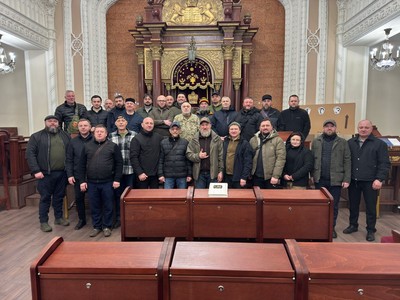
Today, in the Central Synagogue of Ukraine, the Jewish Chaplain David Milman received the chaplain officers of the Armed Forces of Ukraine, who came to get to know the Jewish tradition and the life of the community.Among the guests were representatives of the Orthodox, Greek Catholic, Roman Catholic and Protestant clergy. They were given a tour of the synagogue, told about the basics of Jewish laws and customs, prayer, holidays and modern life of the Jewish community in Ukraine.Such meetings have a special value: they open a space for mutual understanding, erase barriers and strengthen respect between people of different traditions who serve Ukraine together today.Special thanks to the officer of the chaplaincy service, chaplain of the 7th Corps of the Military Police Service Yakov Sinyakov for his help in organizing this visit.
Chabad history
Community
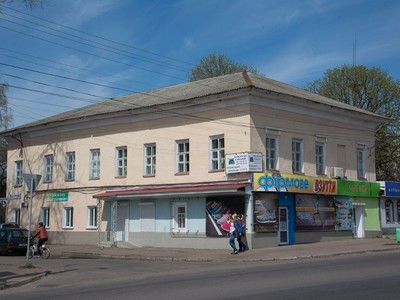
🏛️ CHABAD NIZHYNThe history of the Hasidic branch of Chabad-Nizhin begins in a turning point for the movement. After the great Rebbe Tsemach Tzedek passed away in 1866, his sons faced the task of preserving and multiplying their father's legacy. Rabbi Yisrael Noach Schneerson, the fourth son of Tzemach Tzedek, known for his exceptional wisdom and deep knowledge of both the open and the hidden Torah, initially stayed in Lubavitch. However, during the next two years, the situation in the movement began to change. In 1868, responding to the numerous and persistent requests of hundreds of Hasids who were looking for their special mentor, Rabbi Israel Noach made the fateful decision to leave Lubavitch and move to Nizhyn. The choice of the city was deeply sacred: it is in Nizhyn that the oel of his grandfather - the second Lubavitch Rebbe, the Mitler Rebbe - was located, which immediately gave the new branch the status of a legitimate and powerful spiritual center. 🕯️ Golden years of the Nizhyn courtThe period from 1868 to 1883 went down in history as the heyday of Nizhyn Chabad. Rabbi Yisrael Noach became not only a Hasidic leader, but also the official rabbi of the city—an extremely rare occurrence for a Rebbe of that time. This allowed him to unite under his guidance not only Hasidic circles, but also the entire Jewish population of the city, creating a unique atmosphere of unity. During these 15 years, Nizhin turned into a real "magnet" for the intellectual elite of Hasidism. Rabbi Yisrael Noach had the unique gift of explaining his father's most complex concepts in a logically balanced and deeply analytical form. His "maamarim" (Hasidic teachings) enjoyed great authority, and he himself was considered one of the main custodians of the authentic Chabad tradition, combining strict rationalism with fervent service of the heart at the grave of his holy ancestor. 🤝 The End of the Path and Eternal FraternityThis bright and distinctive page of Hasidic history ended in 1883 with the death of Rabbi Israel Noach. Since he did not leave behind a direct successor who would continue to lead the court in Nizhyn, his followers were faced with a choice of further path. After 1883, the majority of Nizhny Hasids decided to join the Chabad-Kopust branch, which at that time was headed by relatives of Rebbe Yisrael Noach, recognizing their authority. At the same time, the spirit of "Nizhinsky Chabad" did not fade away and did not dissolve without a trace. Deep attachment to this branch has been preserved in the hearts of people for decades and even centuries. 🌎 Communication across the ocean and thememory of generationsA clear evidence of the strength of this community was the fact that even in distant America, many years after the end of the court's existence in Ukraine, Hasidim continued to identify themselves with this direction. In the old Jewish cemeteries of New York, you can still see plots intended for the burial of members of the community, who bear the official name "Anshey Lubavych y Nizhyn" (the people of Lubavitch and Nizhyn). This combination of names emphasizes that in the eyes of the Chasidim, the Nizhyn branch has always remained an integral and equal part of the great Chabad tree. The history of Chabad-Nizhin is preserved in the memory of generations as an example of the highest intellectual level and inextricable connection between generations of the great Schneerson dynasty, which began in 1868 and inspires to this day. 📖 Lubavitcher calendar
Ayom yom: 4 Iyar
Community
Today is 4 Iyar 5786. 19th day of OmerJews have a custom of not cutting a boy's hair until he is three years old.Haircut — "opscherish" — is an important event in the Jewish tradition. The essence of this rite is to raise a child through the commandment to leave peyotes (side curls).It is accepted that from the day of cutting and leaving peyote, they begin to pay special attention to teaching the child to fulfill the commandments: wearing talit katan (cicit), proclaiming morning blessings (Birkot ha-Shahar), praying after meals (Birkat ha-Mazon) and reading the Shema prayer before bedtime.📖 Lubavitcher calendar